Embroidered Dresses and Embroidered Gowns
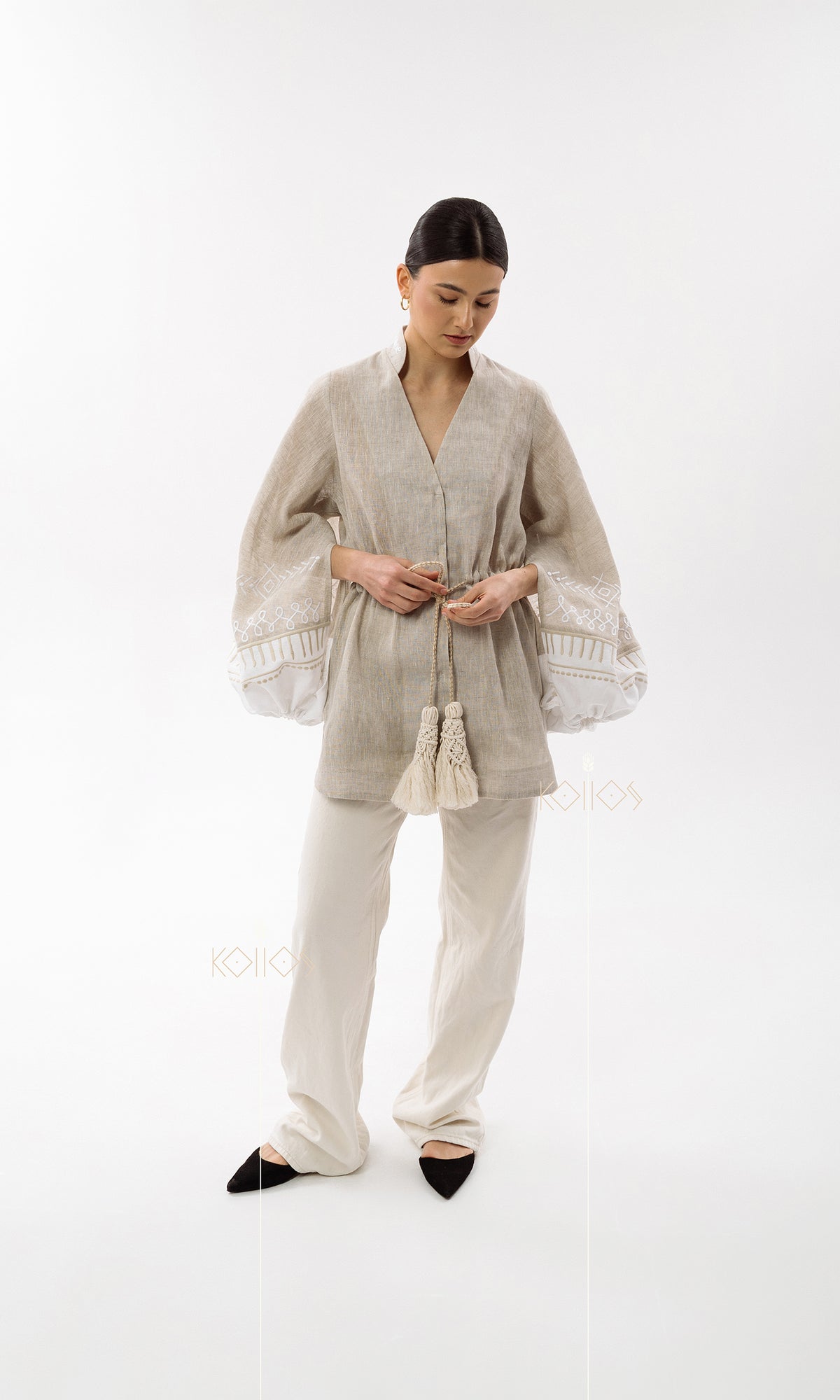
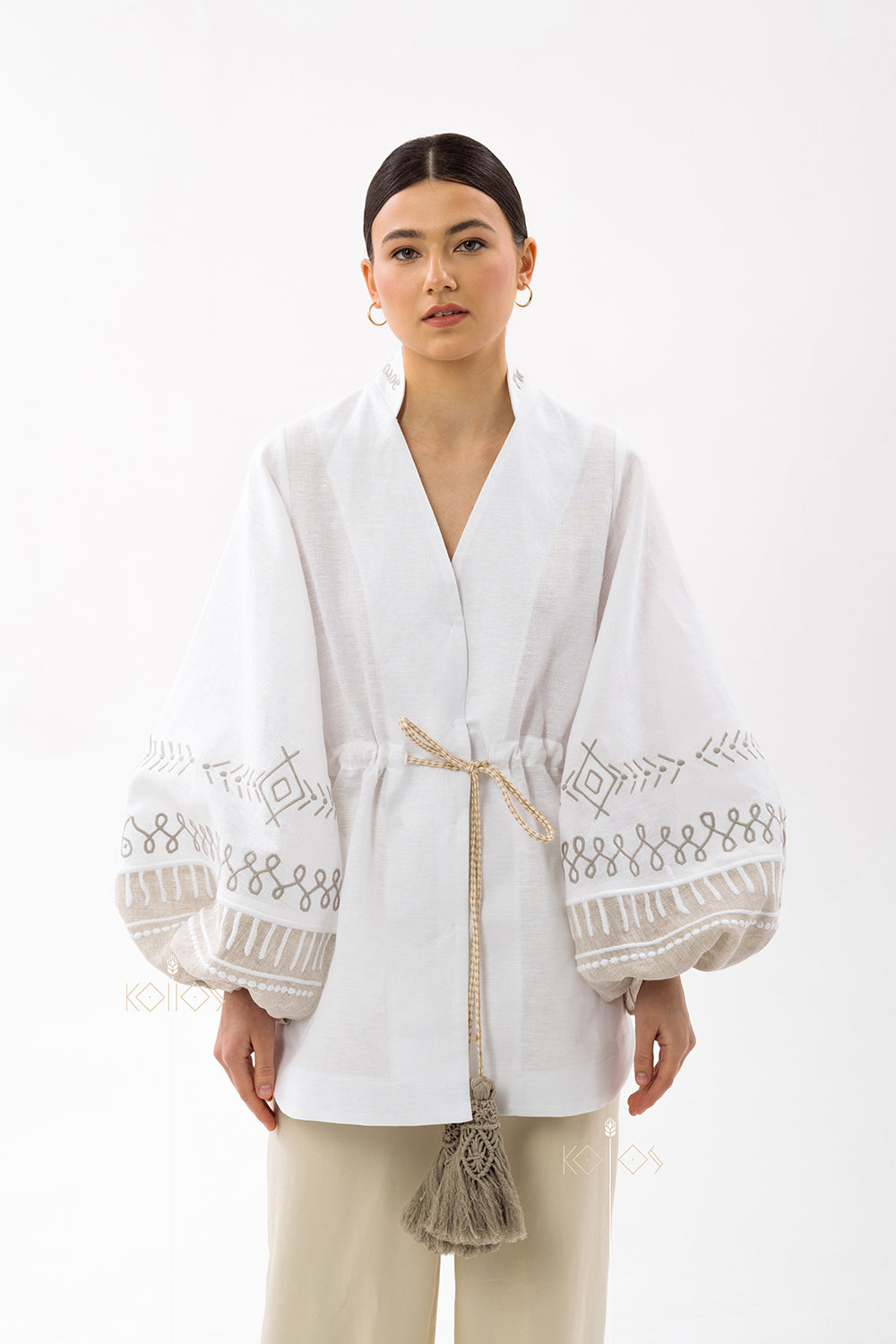
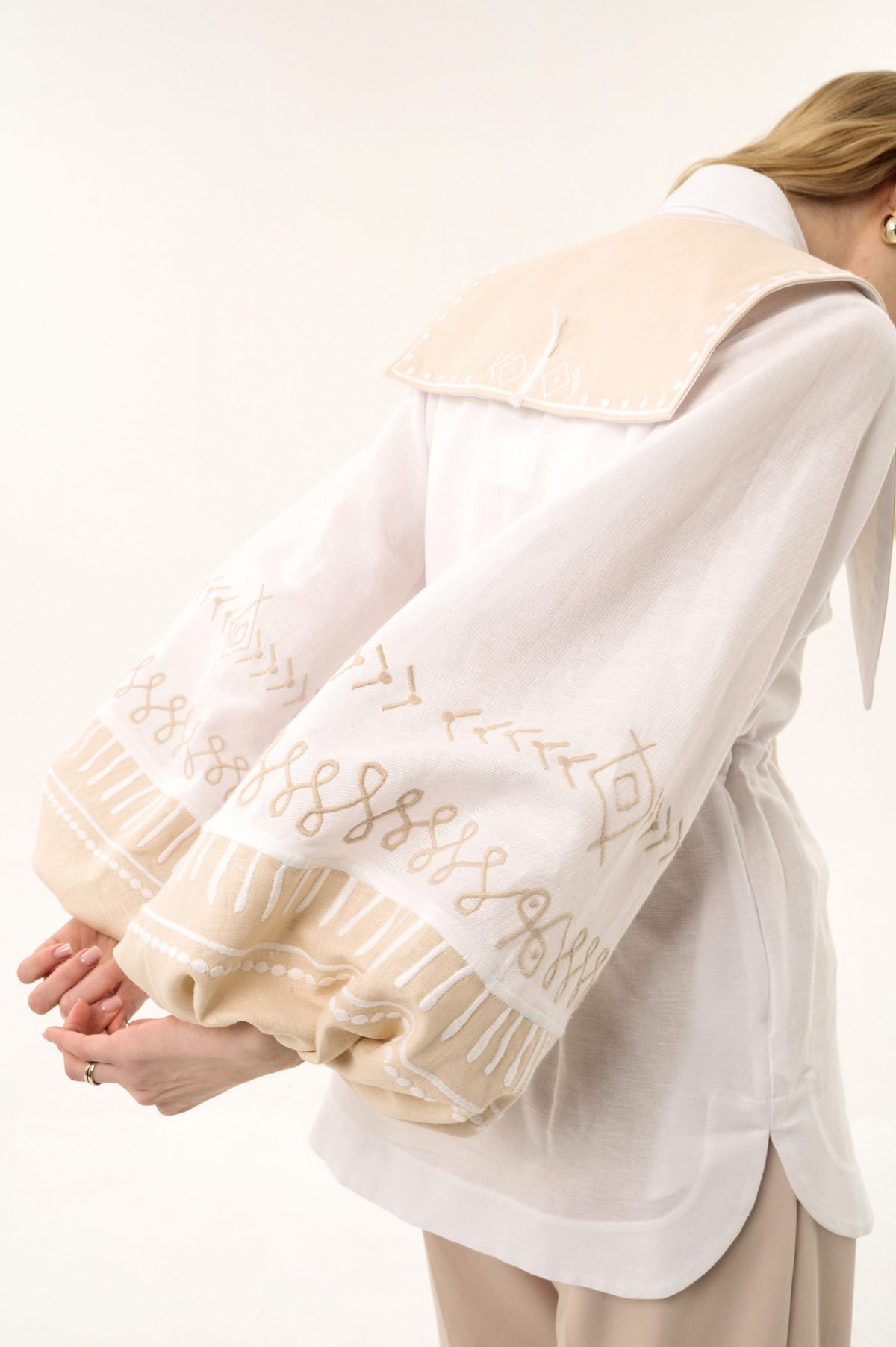
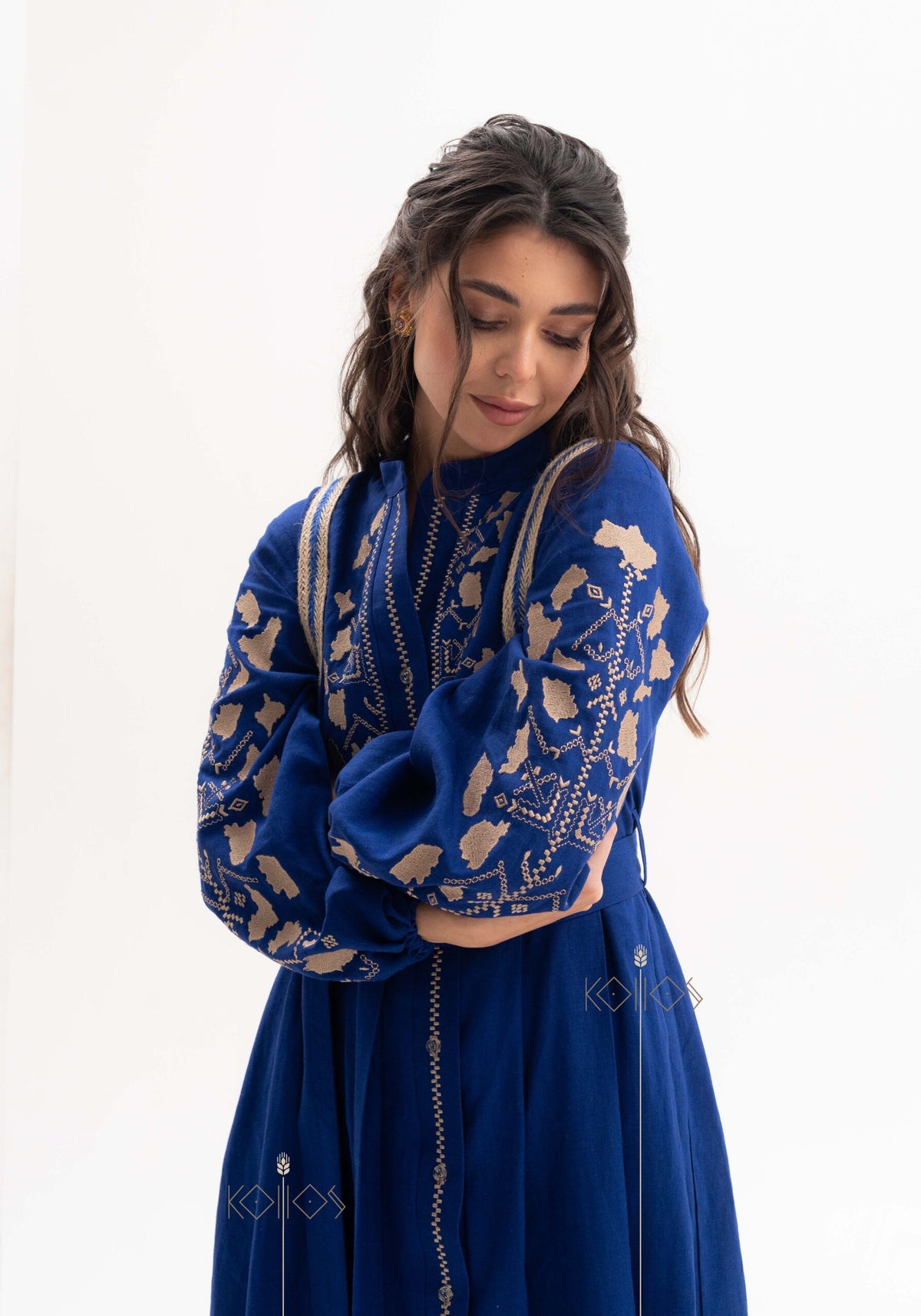
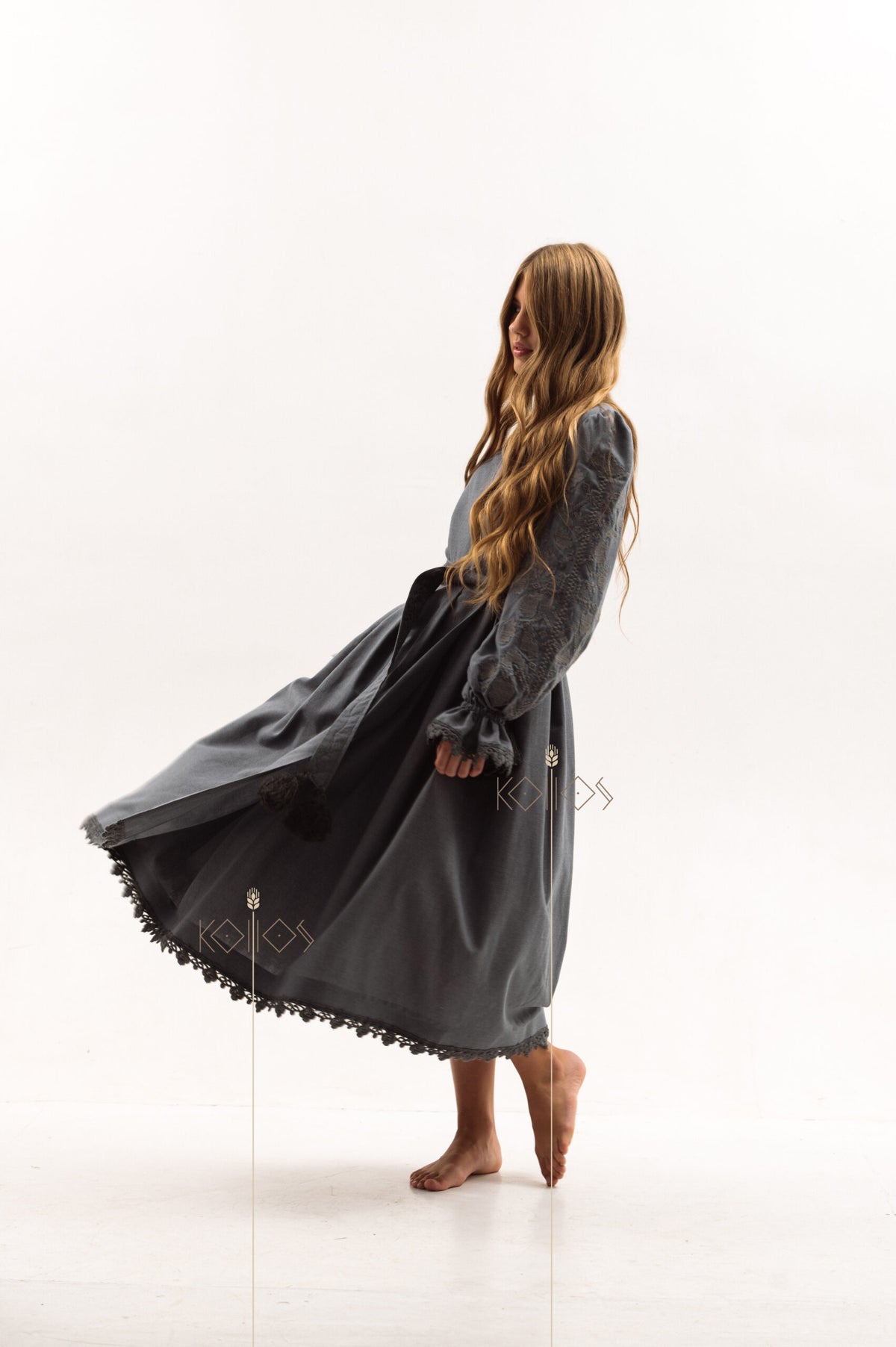
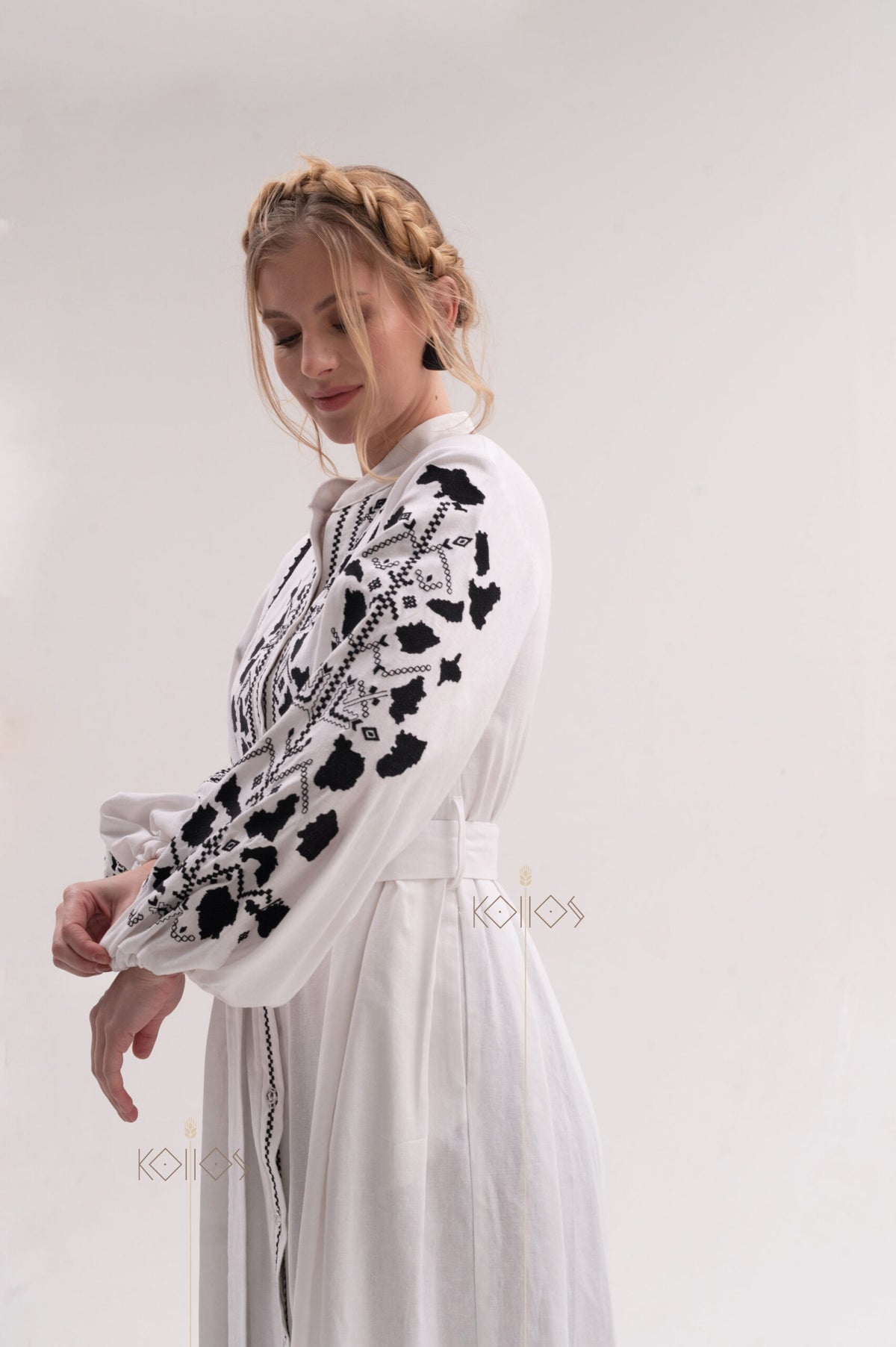
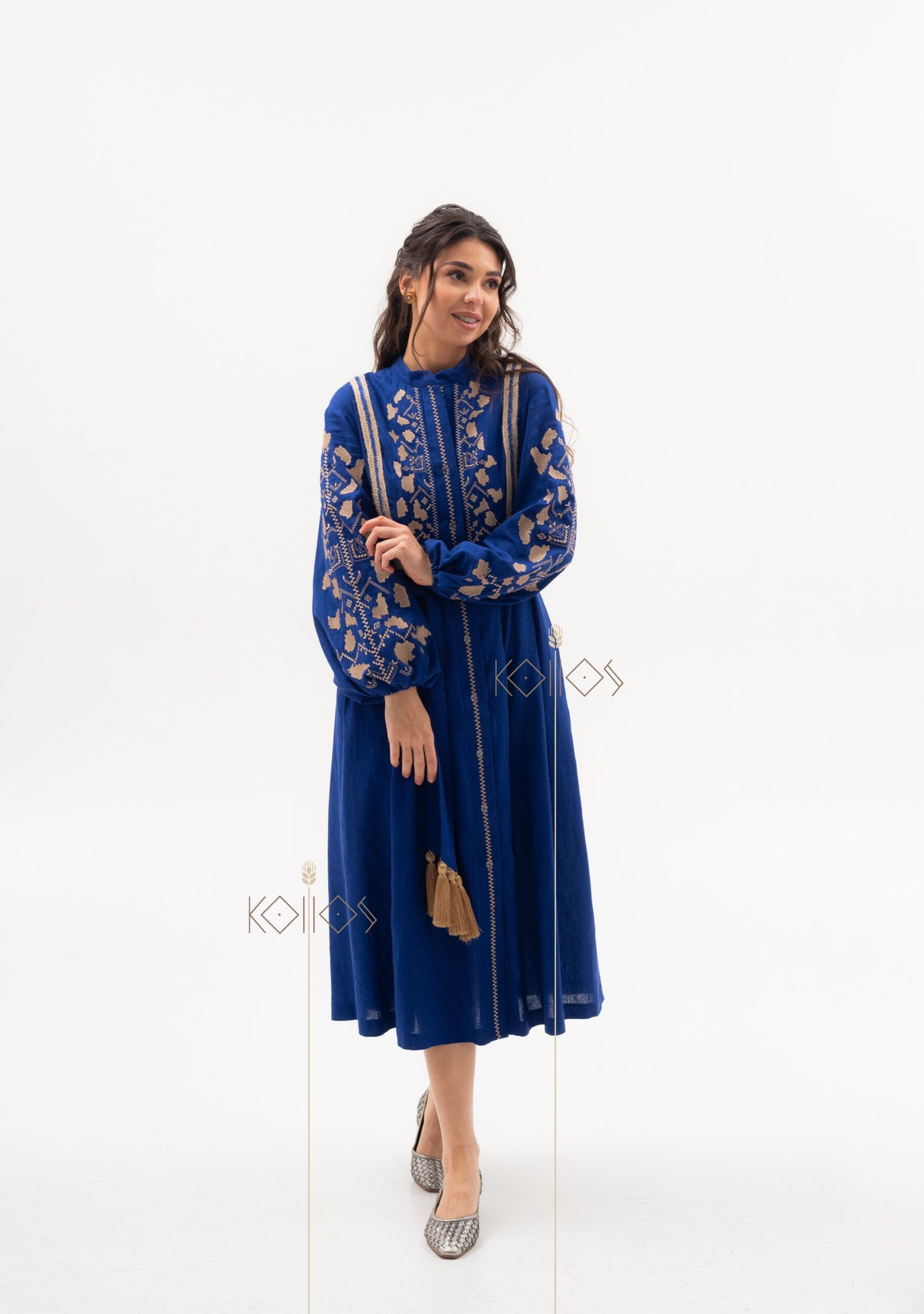
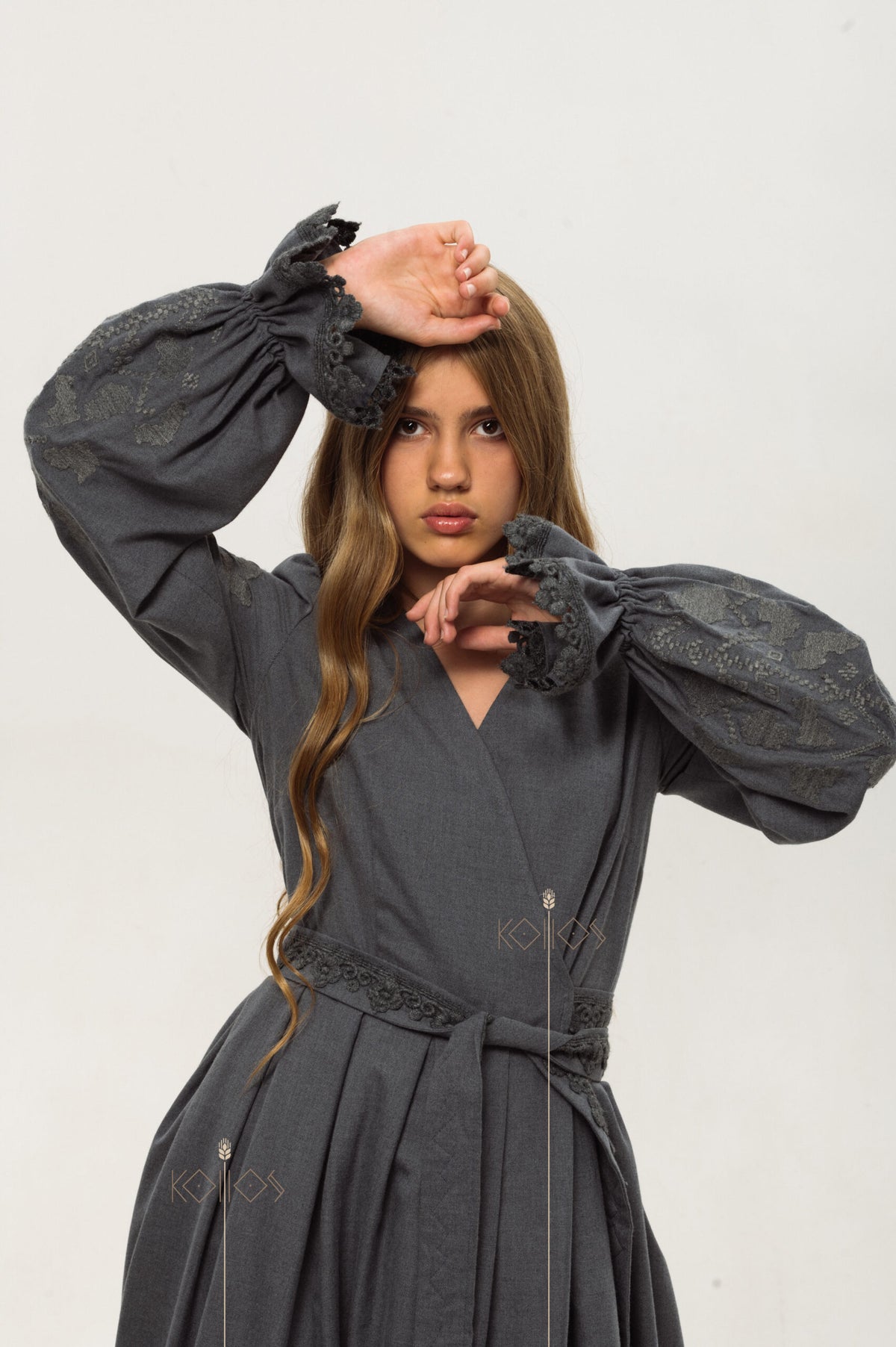
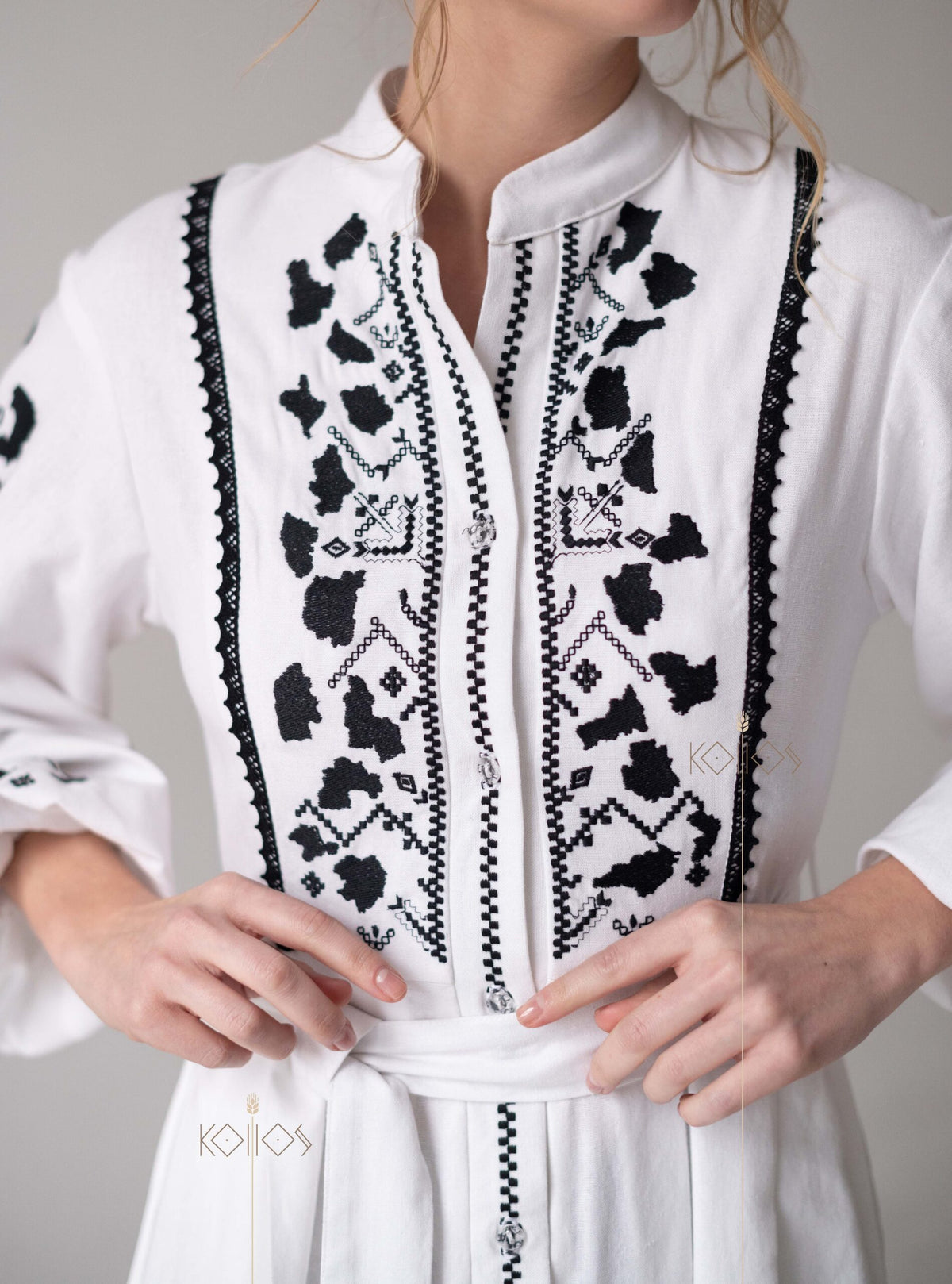
An embroidered dress is a complete outfit in one garment. It is equally appropriate for everyday wear, celebrations, and weddings – everything depends on the length, fabric, and density of the ornament. In various sources, such a model is called differently – embroidered dress or embroidered gown – but it refers to the same item. This section presents embroidered dresses of various styles: from short linen models to long festive and wedding ones.
Styles of Embroidered Dresses
Straight Dress (Shirt-Cut)
The most traditional option: an extension of a classic shirt. It is not form-fitting, suits any figure, and is comfortable in hot weather.
Dress with a Belt or Drawstring
A straight base with the option to emphasize the waist. The most versatile style: the same dress can be worn both loosely and fitted.
A-Line Dress
Narrow at the top and flared at the bottom. Accentuates the waist and conceals the hip line.
Fitted Dress
With darts or a cut-off waistline. The most expressive silhouette, works well for festive occasions.
Length: How to Choose
Mini – a youthful and summer option, most often in linen models for everyday wear. Midi (below the knee) – the most versatile length, appropriate for both the office and celebrations. Maxi – a festive and wedding length that creates the most formal look. If the dress will be your only embroidered item for all occasions, choose midi: this length is the easiest to adapt.
Embroidered Dress for a Wedding
For a wedding look, white, milky, or cream maxi models with delicate embroidery are usually chosen – white on white, silver, delicate floral motifs. A Ukrainian embroidered dress for a wedding works well in combination with a men's shirt in the same ornament. If you are a guest, avoid white: colorful midi or maxi models will be appropriate.
Fabrics and Season
Linen – a basic choice for warm weather: breathable, holds dense embroidery, looks good in photos. Batiste and thin cotton provide lightness, suitable for summer dresses. Semi-linen and denser fabrics – for demi-season models and dresses with sleeves. In winter, an embroidered dress is worn with thick tights, boots, and a vest or cardigan on top.
How to Choose a Size
The main measurements are bust, waist, and hip circumference. For straight and A-line models, the bust circumference is decisive: the rest of the silhouette is loose. For fitted models – all three measurements. Always check the length of the product: it is indicated from the shoulder seam, and for different heights, the same dress can fit as a midi or as a maxi.
If measurements are on the border between two sizes: for a loose fit, take the smaller size; for a fitted one, take the larger size.
What to Wear With
An embroidered dress does not require complex additions. The best options are: a woven or leather belt, minimal jewelry (one pair of earrings or one bracelet), neutral-colored shoes. For cool weather – a vest, sheepskin waistcoat, or a plain cardigan.
Avoid: massive jewelry with dense embroidery, a wreath in an informal situation, and combining the dress with other ornamented items.
Care for an Embroidered Dress
Wash at 30 °C on a delicate cycle, white models – separately. Do not soak colorful embroidery for too long. Long dresses are best dried on hangers in an unfolded state to avoid stretching the fabric along the hem. Iron from the inside out while the fabric is still slightly damp. Store festive and wedding models on hangers in a fabric cover – polyethylene causes yellowing of white fabric.
Seasonality of an Embroidered Dress
In summer, the dress is worn on its own, with flat shoes or sandals. In spring and autumn, it is combined with a vest, cardigan, or denim jacket, and boots are worn instead of sandals. In winter, an embroidered dress works as a layer: thick tights, boots, a sweater under a short-sleeved dress, or a cardigan on top. That's why models with sleeves and made of denser linen are more practical – they cover three seasons, not just one.
Common Mistakes
The first is choosing the length without considering one's height: the same dress on different people can fit as a midi or as a maxi. The second is too many accents: dense embroidery plus massive jewelry plus a wreath turns the look into a costume. The third is ironing the embroidery from the front, which causes the ornament to lose its relief.